
Fresh produce supply chains are built for speed. Every day, large volumes of perishable goods move from farm to retailer under tight time constraints. Traditionally, this has relied heavily on single-use packaging such as cardboard boxes and disposable plastic crates.
While effective in the short term, these systems come with a hidden cost – generating significant waste, increasing operational spend, and contributing to environmental impact across the supply chain.
As sustainability and efficiency become critical priorities, circular logistics is emerging as a smarter, more forward-thinking model for the fresh produce sector.
What does circular logistics mean?
Circular logistics replaces the traditional “use and dispose” model with a closed-loop system. Instead of relying on single-use packaging, businesses adopt durable, returnable transport packaging (RTP) designed for repeated use.
These containers circulate continuously between growers, packers, distributors, and retailers. After each use, they are returned, cleaned, and redeployed – maximising their lifecycle before eventual recycling.
This approach creates a connected, efficient ecosystem that delivers value across both outbound and return journeys. It not only reduces waste but also improves cost control, operational efficiency, and environmental performance.
How does it work in fruit and vegetable supply chains?
In practice, circular logistics integrates seamlessly into existing supply chains:
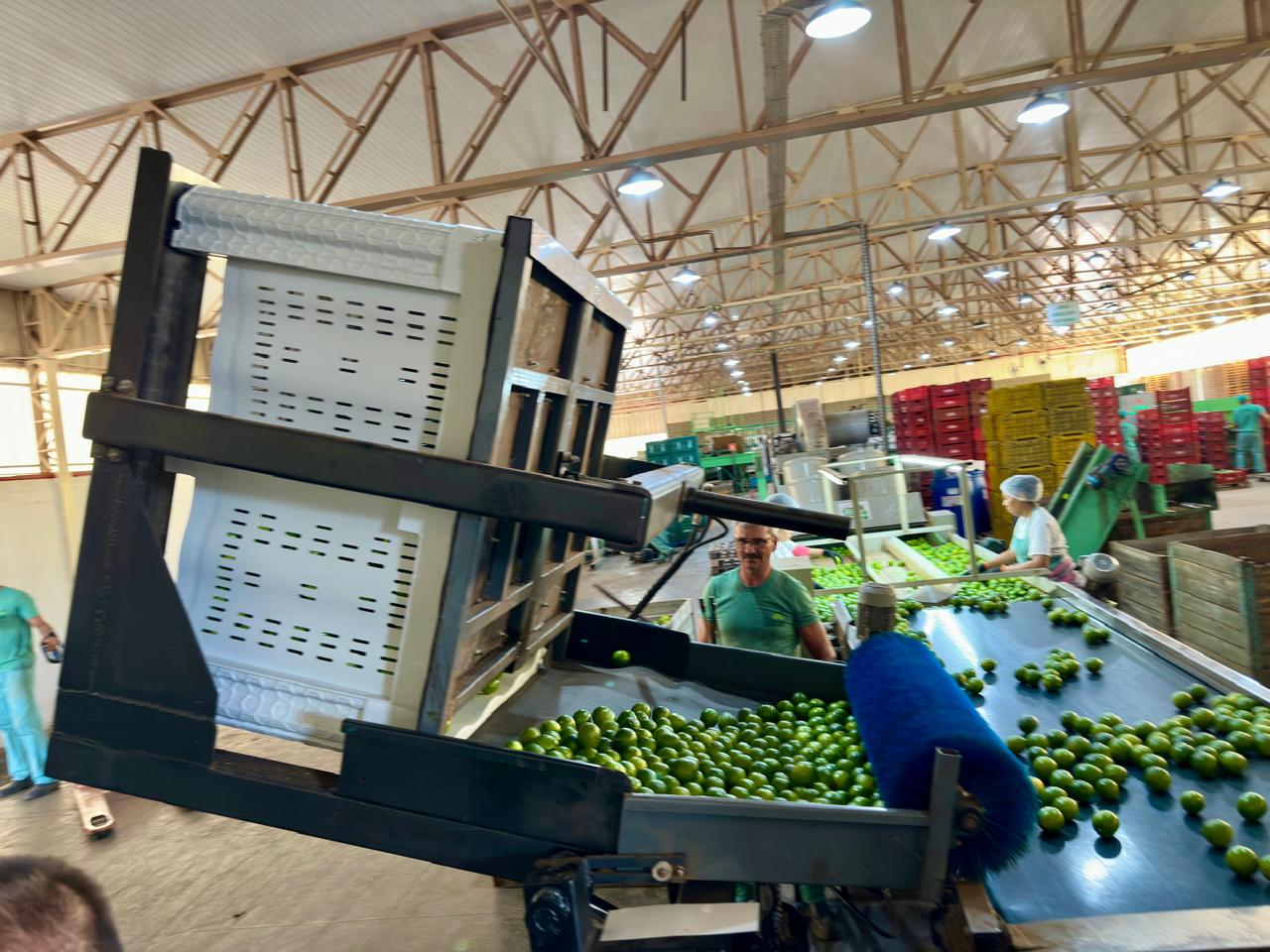
Growers harvest fresh produce and pack it directly into reusable containers, such as nestable systems designed for durability and protection. These containers are engineered to optimise airflow and minimise damage, helping preserve product quality.
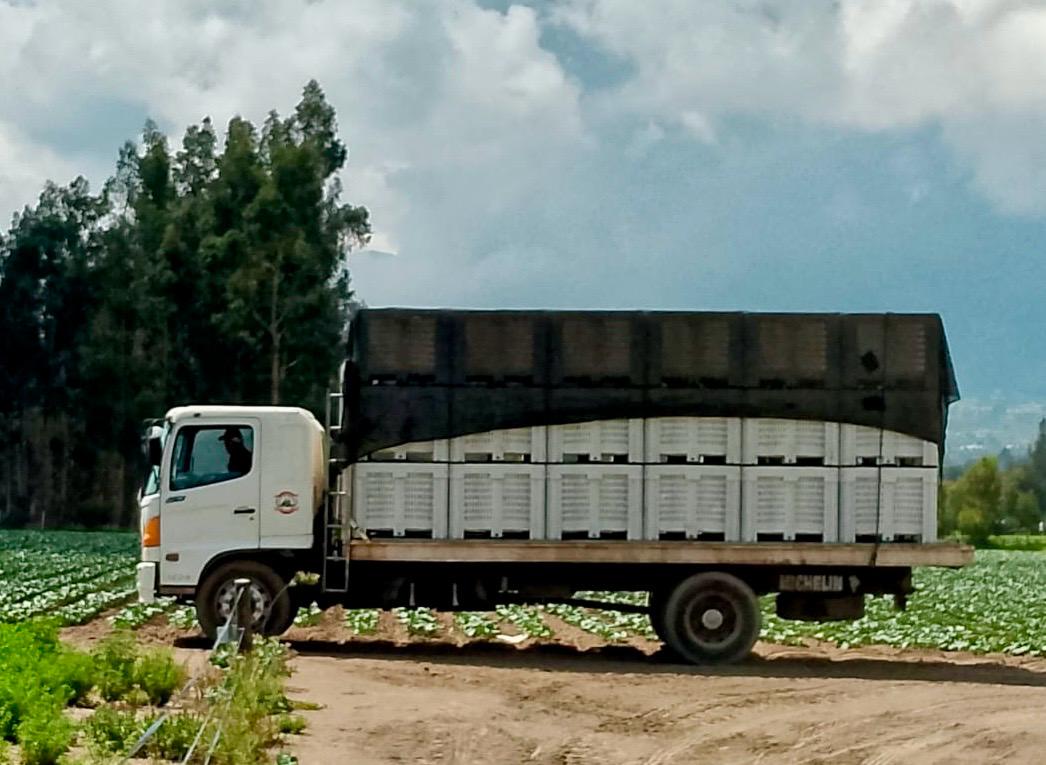
From there, containers move through packing facilities, distribution centres, and into retail environments. Their standardised design allows for efficient stacking, handling, and transportation – maximising vehicle fill and reducing handling time.
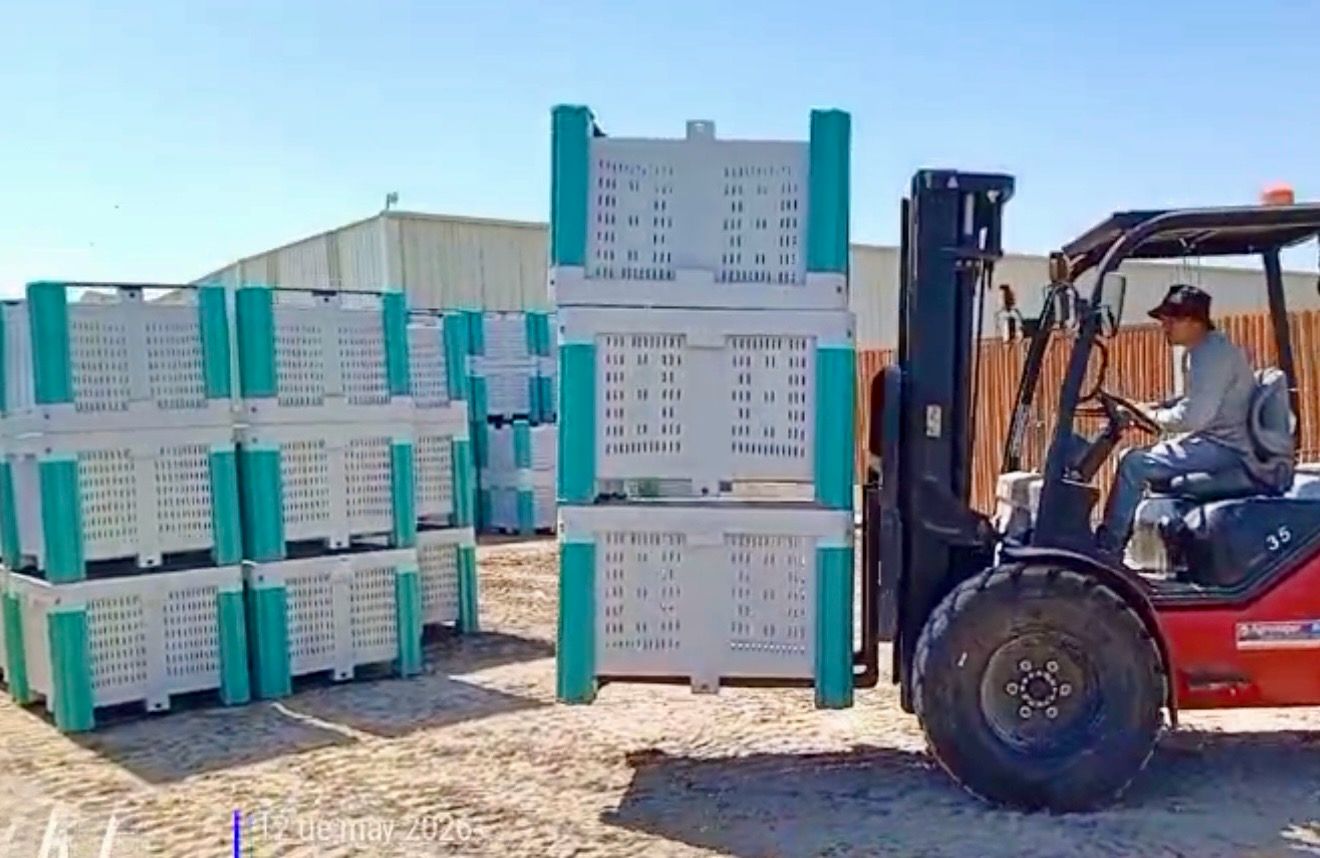
Once the produce has been delivered and the containers are emptied, reverse logistics comes into play. The containers are collected and returned through the supply chain. Thanks to their nestable design, they take up significantly less space on the return journey, reducing transport costs and emissions.
Finally, containers are cleaned, inspected, and prepared for reuse, ready to begin the next cycle. This continuous loop ensures that packaging assets are fully utilised rather than discarded after a single trip.
Key benefits of Circular Logistics
Once the produce has been delivered and the containers are emptied, reverse logistics comes into play. The containers are collected and returned through the supply chain. Thanks to their nestable design, they take up significantly less space on the return journey, reducing transport costs and emissions.
Finally, containers are cleaned, inspected, and prepared for reuse, ready to begin the next cycle. This continuous loop ensures that packaging assets are fully utilised rather than discarded after a single trip.
Perhaps most importantly, while reusable containers require initial investment, they offer long-term cost savings by eliminating the need for continuous repurchasing of disposable packaging.
A smarter way forward
Circular logistics represents a fundamental shift in how the fresh produce sector approaches packaging and supply chain management. By moving away from single-use systems and embracing reusable, closed-loop models, businesses can unlock efficiencies, reduce environmental impact, and build more resilient supply chains.
As the industry continues to evolve, circular logistics is not just a sustainability initiative—it is becoming a commercial and operational necessity.