
Benefits of Circular Logistics in Fresh Produce
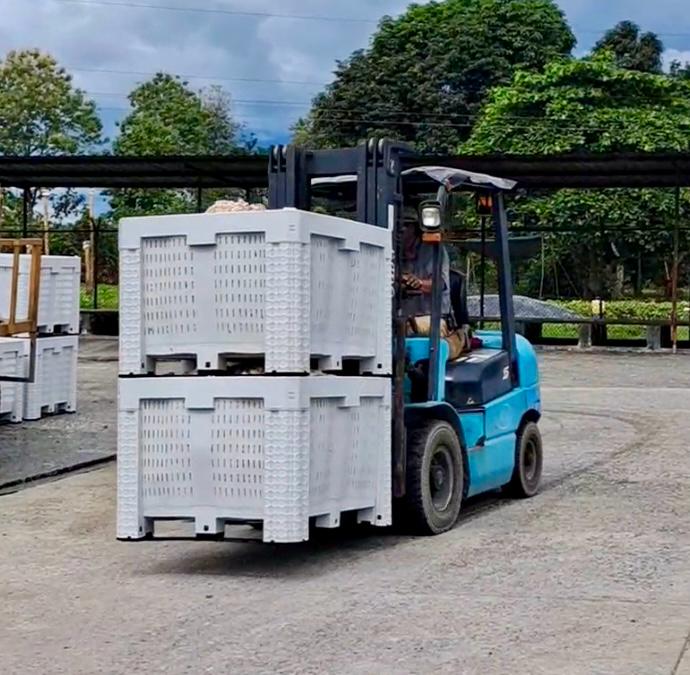
The global fresh produce sector operates in a fast-paced, high-pressure environment where product quality, speed to market, and cost control are critical. However, traditional logistics models that are reliant on single-use cardboard and plastic packaging are increasingly being challenged by rising costs, environmental concerns, and tightening regulations.
Circular logistics offers a more sustainable and efficient alternative, delivering tangible benefits across environmental performance, operational efficiency, and product quality.
Reducing waste and environmental impact
One of the most significant advantages of circular logistics is its ability to drastically reduce waste. Instead of being discarded after a single use, reusable containers, such as the YOYOBin Nestable, are designed to complete hundreds of journeys throughout their lifecycle. This extended lifespan significantly reduces the volume of packaging waste generated across the supply chain.
By moving away from single-use cardboard and disposable plastics, you can also lower emissions associated with the production, transportation, and disposal of these materials. The reduction in raw material demand contributes directly to a smaller carbon footprint.
In addition, circular logistics supports compliance with evolving environmental legislation and sustainability targets. With increasing pressure from governments and retailers to reduce packaging waste and improve environmental performance, adopting reusable systems enables businesses to align with these expectations while demonstrating a clear commitment to sustainability.
Supply chain efficiency and cost management
Beyond environmental benefits, circular logistics delivers measurable improvements in supply chain efficiency.
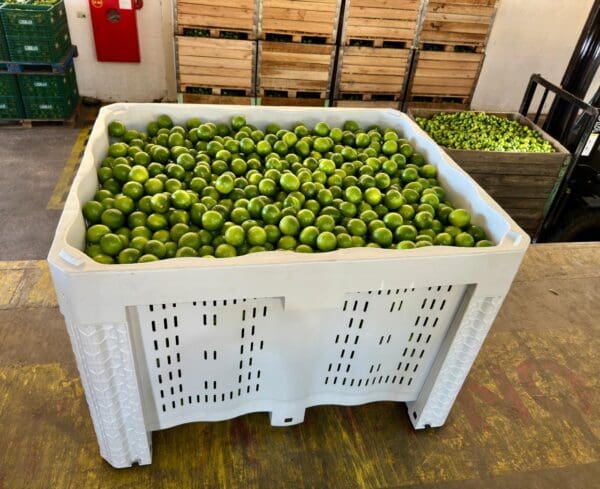
Reusable containers are typically designed to be both stackable and nestable, allowing growers and distributors to optimise truck utilisation. More product can be transported per journey, reducing the number of trips required and lowering overall transport costs.
These efficiencies extend beyond transport. When not in use, nestable containers significantly reduce storage requirements, whether in warehouses or cold storage facilities. This creates valuable space savings and improves overall operational flexibility.
Innovative solutions such as the YOYOBin Nestable are specifically designed to enhance supply chain performance. Their robust construction helps minimise product damage during transit, reducing waste and associated costs.
While reusable containers may involve a higher upfront investment, they deliver lower long-term logistics costs. Businesses benefit from eliminating the need to continually purchase disposable packaging, creating a more predictable and cost-effective supply chain over time.
Enhanced product protection and freshness
Fresh produce is highly sensitive to handling, temperature, and airflow, making packaging design a critical factor in maintaining quality. Circular logistics solutions are engineered with these challenges in mind.
Ventilated container designs promote consistent airflow, aiding cooling processes and helping to preserve freshness throughout the supply chain. This is particularly important for temperature-sensitive products where maintaining optimal conditions is essential.
In addition, durable reusable containers are designed to prevent collapse when stacked, protecting produce from damage during storage and transport. This structural integrity ensures that products arrive in better condition, reducing spoilage and waste.
By maintaining product quality, businesses can extend shelf life, improve customer satisfaction, and reduce financial losses associated with damaged or unsellable goods.
A strategic advantage for the future
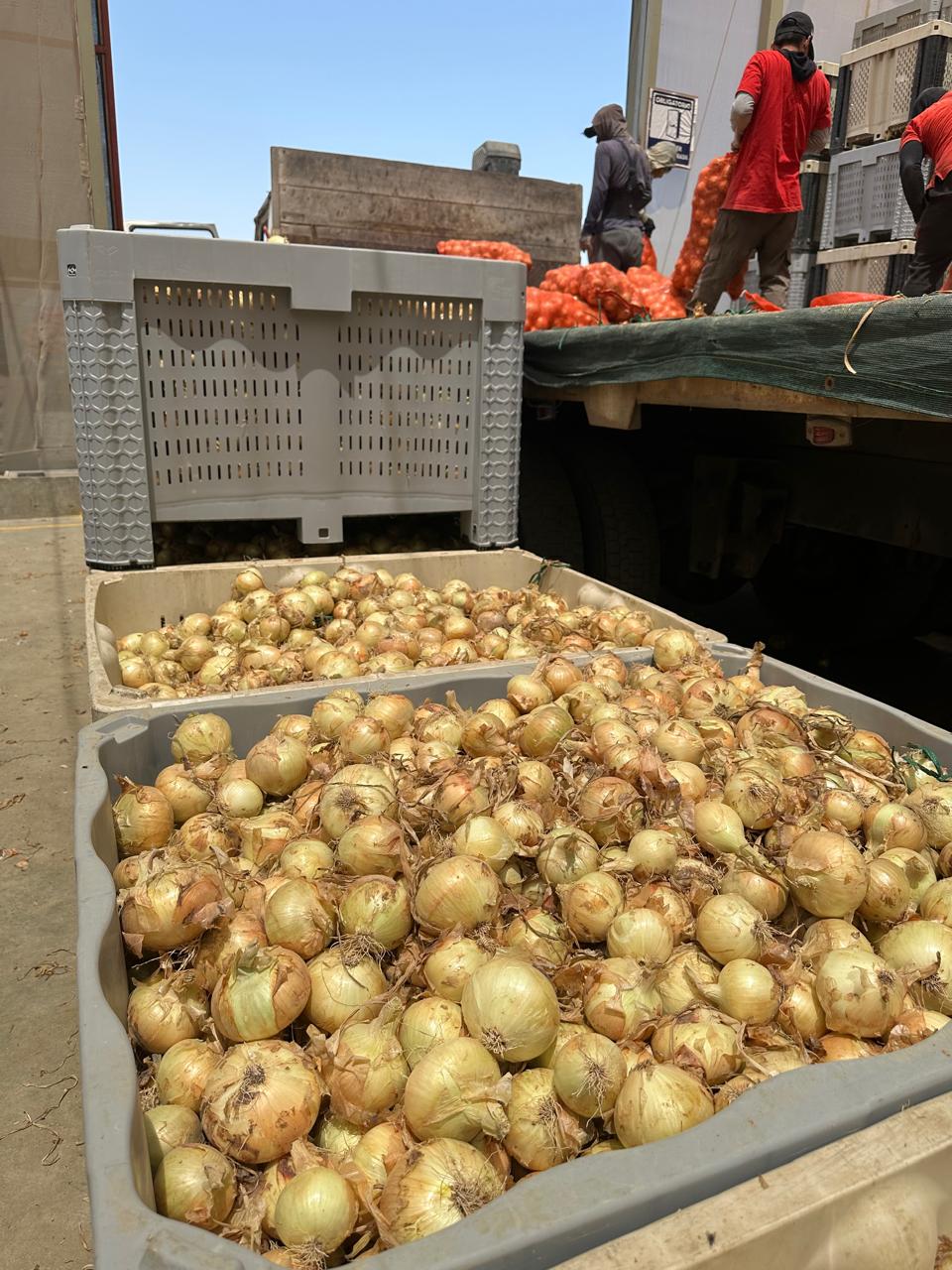
Circular logistics is more than a sustainability initiative – it is a strategic approach to building more efficient, resilient, and cost-effective supply chains.
For the fresh produce sector, the benefits are clear:
- Reduced environmental impact
- Improved operational efficiency
- Enhanced product protection
As the industry continues to evolve, adopting circular logistics will play a key role in meeting both commercial and environmental objectives, positioning businesses for long-term success.
What does Circular Logistics mean to the Fresh Produce sector?
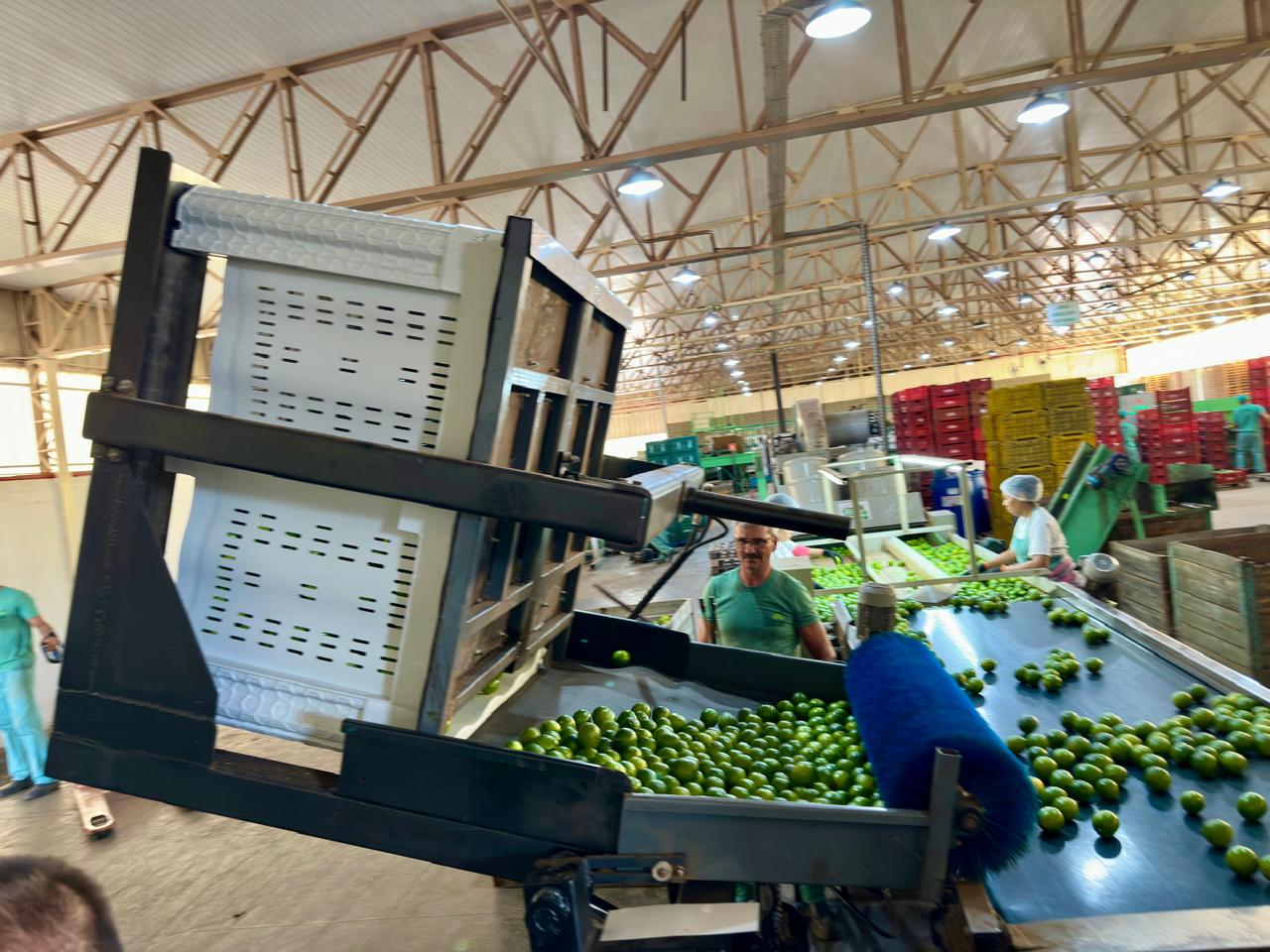
Fresh produce supply chains are built for speed. Every day, large volumes of perishable goods move from farm to retailer under tight time constraints. Traditionally, this has relied heavily on single-use packaging such as cardboard boxes and disposable plastic crates.
While effective in the short term, these systems come with a hidden cost – generating significant waste, increasing operational spend, and contributing to environmental impact across the supply chain.
As sustainability and efficiency become critical priorities, circular logistics is emerging as a smarter, more forward-thinking model for the fresh produce secto
Tri-Wall Circular Wins Prestigious Red Dot 2026 Product Design Award for YOYOBin Adjustable

Tri-Wall Circular is proud to announce that our innovative YOYOBin Adjustable has been awarded the internationally recognised Red Dot 2026 Product Design Award, one of the world’s most respected accolades for excellence in product design and innovation.
Sustainability Through Data: How Global Logistics Emissions Council and Tri-Wall Circular are transforming Automotive Supply Chains

Through our collaboration with the Global Logistics Emissions Council, Tri-Wall Circular is helping automotive businesses bring credible data, analytics, and insight into packaging decisions, turning sustainability from a concept into a quantifiable business case.
Minimising downtime in Automotive supply chain: The role of YOYOBin Adjustable

In the automotive supply chain, uptime is everything. Production lines run on just-in-time delivery, where components arrive exactly when needed – no earlier, no later. In this environment, even minor disruption can have a disproportionate impact. A single unserviceable container can delay parts, slow production, and quickly escalate into costly downtime.
That is why packaging is no longer viewed as a passive asset. Solutions like YOYOBin Adjustable have been designed to actively support continuity, keeping containers in circulation and reducing the risk of supply chain disruption.
The downtime challenge in automotive packaging
Damaged or unserviceable containers represent an immediate operational risk. When packaging fails, parts cannot move, buffers are disrupted, and manufacturers are forced to rely on contingency stock or emergency transport – both of which add cost and complexity.
Traditional steel stillages amplify this challenge. While robust, they are expensive to repair, often require specialist welding, and must be taken offsite for any remedial work. Health and safety restrictions typically prevent welding or structural repairs on customer premises, meaning damaged stillages can be out of action for extended periods. Lead times for spare parts and repairs further compound the issue, removing valuable assets from circulation when they are needed most.
The result is higher operational costs, delivery delays, and the need to hold excess spare container stock as insurance against downtime.
YOYOBin Adjustable: designed to keep assets moving
YOYOBin Adjustable takes a fundamentally different approach. Rather than accepting downtime as inevitable, it is engineered to minimise it.
Its modular, repairable design allows individual plastic components to be replaced quickly and cost-effectively. Damaged panels, collars, or fixings can be swapped without scrapping the entire container. Crucially, repairs can be carried out onsite or locally, without specialist equipment, avoiding the delays associated with steel fabrication.
Standardised components make replacements easy to source and fast to deploy, keeping containers in use rather than sitting idle. Combined with its durable yet lightweight plastic construction, which is less prone to permanent structural damage than steel, YOYOBin Adjustable is built to withstand the realities of high-frequency automotive logistics.
The benefits of minimal downtime
Reducing downtime delivers immediate and measurable benefits. Rapid repairs avoid the high cost and waste associated with scrapping containers or waiting weeks for repairs. Containers spend less time outside the supply chain, supporting operational continuity and protecting just-in-time delivery schedules.
With assets remaining in circulation, manufacturers can reduce the need to hold large numbers of spare containers, freeing up capital and storage space. Over the full lifecycle, fewer replacement assets are required, delivering both cost savings and sustainability benefits through reduced material use and waste.
Supporting service, maintenance, and flexibility
Beyond the container itself, Tri-Wall Circular supports customers with a comprehensive Repair & Maintenance service across the globe. This ensures fast response times, local support, and consistent standards – further reducing downtime risk.
For added flexibility, YOYOBin containers are also available on a short- or long-term rental basis. This provides resilience during peak demand, new programme launches, or unexpected disruption, without the need for permanent asset investment.
A smarter cost down alternative to steel stillages
Compared to traditional steel stillages, YOYOBin Adjustable offers a smarter, more resilient approach to automotive packaging. By enabling quick, safe, and cost-effective repairs, it minimises downtime, maximises asset utilisation, and keeps supply chains moving.
During the development of the YOYOBin Adjustable, we invested heavily in the latest design and material technologies as well as rigorous testing during the validation process. This ensured that not only the container as a whole but also each individual replacement parts perform to the same weight tolerances as steel.
In an industry where minutes matter, packaging that stays in circulation is not just an advantage – it is a necessity.
Roundtable on the Future of Automotive Packaging hosted by LConnect

We were delighted to contribute to a recent virtual roundtable hosted by Louis Yiakoumi of LConnect, exploring “The Changing Role of Packaging in Automotive Supply Chains.” The session followed LConnect’s latest industry survey into returnable packaging and brought together leading voices from across the automotive sector.
The roundtable featured contributions from J.K. McKenzie and Sean Bricknell of Volvo Cars, Adam Misiak from Yazaki Europe Middle East and Africa, John Robinson from Nissan Motor Corporation, and Rodney Salmon of Tri-Wall Circular. Together, the panel shared insights into how packaging strategies are evolving to meet the demands of modern vehicle production and increasingly complex global supply chains.
A key theme emerged throughout the discussion: packaging is no longer a downstream consideration, but a strategic decision made at the earliest stages of product development. When designed effectively, packaging can significantly enhance operational efficiency, strengthen supply chain resilience, and support sustainability goals.
Participants highlighted how returnable and circular packaging solutions are enabling better material flow, reducing waste, and lowering total cost of ownership. With growing pressure on manufacturers to improve environmental performance while maintaining efficiency, packaging is becoming a critical lever in achieving both commercial and sustainability objectives.
The conversation reinforced a broader industry shift — packaging is no longer just about boxes, but about designing smarter, more connected supply chains that deliver long-term value.
Tri-Wall Circular extends its thanks to LConnect and all contributors for facilitating such an insightful and forward-looking discussion, with the topic set to remain a key focus for the automotive industry in the years ahead.
The Role of Intelligently Integrated Dunnage in Returnable Plastic Containers
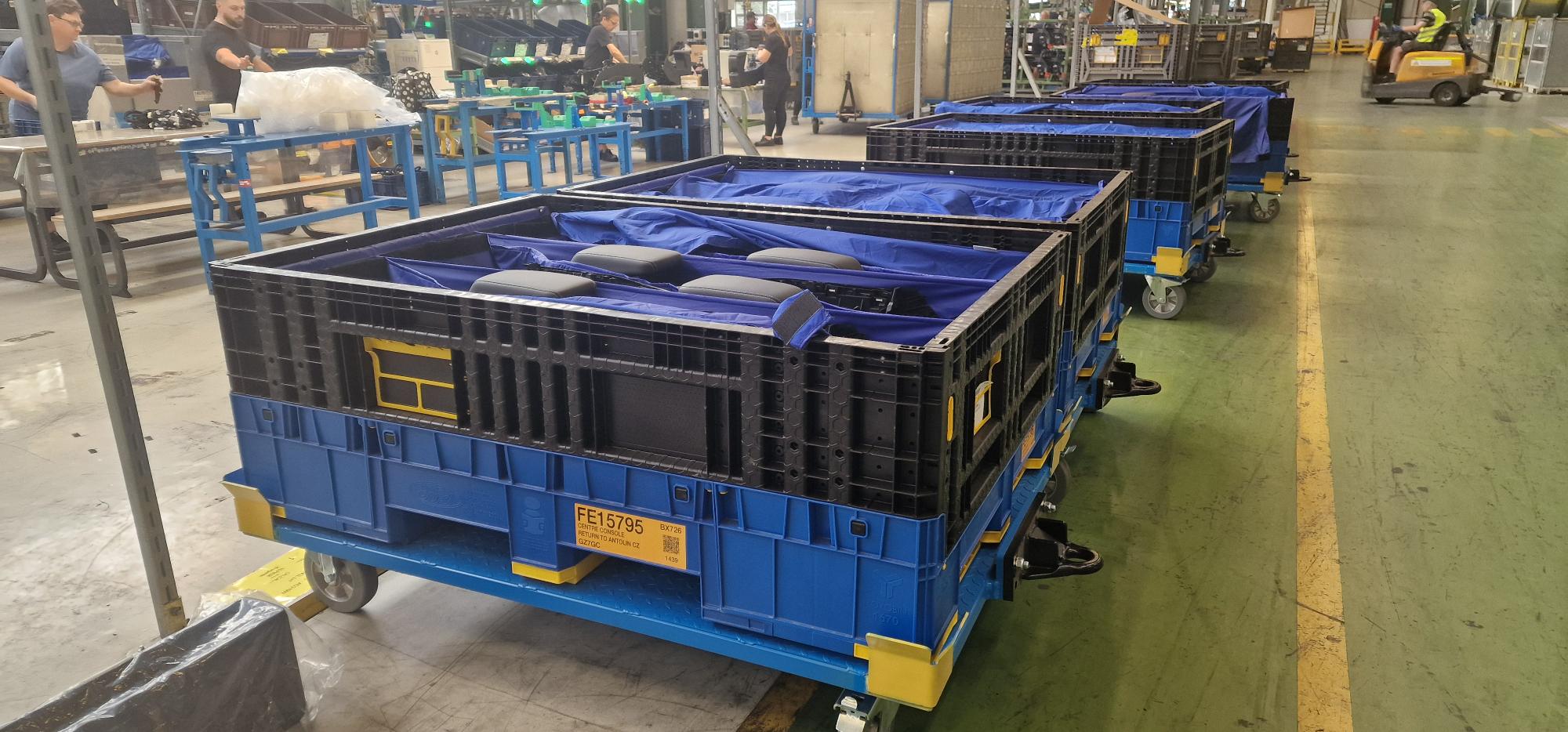
Across automotive and industrial supply chains, the pressure is relentless. Manufacturers are expected to move parts faster, eliminate damage, and meet increasingly demanding sustainability targets – all while controlling cost.
This has accelerated the adoption of returnable packaging systems that are lightweight, adaptable, and built for repeated use.
Yet inside every high-performing container sits a critical, often overlooked component: dunnage.
While outer containers attract most of the attention, it is dunnage that truly protects parts and keeps products flowing efficiently through the supply chain. When intelligently designed and fully integrated, dunnage becomes the unsung hero of modern returnable packaging.
What is Dunnage and why does it matter?
Dunnage refers to the internal supports, inserts, or fixtures that secure components within a container. Its primary purpose is protection: preventing movement, abrasion, and impact during handling and transport.
Well-engineered dunnage also improves space utilisation, reduces packing and unpacking time, enhances ergonomics for operators, and supports consistent processes across production lines.
Traditional solutions are often rigid, heavy, or designed as generic inserts. These can restrict flexibility, add unnecessary weight, and increase operational complexity.
In contrast, intelligently designed dunnage is tailored to the part, the process, and the container itself – delivering protection and improved pack density through “nesting” of components without compromise.
Intelligently integrated dunnage in YOYOBin Adjustable
In the YOYOBin Adjustable system, dunnage is not an afterthought. It is engineered as an integral part of the container.
Injection-moulded fixing locations, combined with a patented nut-insert feature, allow dunnage to be securely bolted into position using a simple single-bolt fixing. This delivers strength and repeatability while keeping installation and changeovers quick and straightforward.
At end of life, the dunnage can be removed easily for recycling, while core components of the YOYOBin Adjustable system can be reused or repurposed. This supports circular-economy principles and simplifies compliance with recycling requirements.
Features of Integrated Dunnage
Integrated dunnage within the YOYOBin Adjustable delivers a number of engineering-led advantages:
- Adaptable inserts and flexible pocket systems that allow parts to nest securely, increasing pack factors and reducing wasted space
- Multiple configurations and layered layouts, making the system an industry standard for lightweight components
- Secure foldability, with dunnage tethered or permanently fixed and neatly stowed within the collar system
- Lightweight yet robust construction, balancing durability with ease of handling
- 3:1 return ratios when combined with folding outers, delivering substantial savings on transport and storage costs
- Standard, specialist, or hybrid material combinations to suit the component being transported, with high-performance technical fabrics protecting sensitive finishes including piano black, gloss paint, and chrome. ESD-safe options are available for electronic components
Key supply chain benefits
The commercial impact of intelligently integrated dunnage is clear.
Product protection is significantly improved, helping manufacturers achieve zero-damage targets and avoid costly rework or scrap. Faster, more repeatable packing processes reduce labour input and improve line efficiency.

Higher pack density lowers the number of containers required per shipment, cutting freight costs and emissions. Over the lifetime of a programme, these gains translate into:
- Fewer damaged components
- Improved pack density through nesting of components
- Reduced logistics spend
- Stronger return on investment from returnable packaging assets
- Lower reliance on single-use materials
Applications across industries
In automotive supply chains, integrated dunnage protects high-value components such as dashboards, interior trims, painted parts, and electronic modules.
In industrial environments, it provides the structural strength required for heavier assemblies while maintaining the flexibility needed for multi-part programmes and long-term reuse.
Ultimately, intelligently integrated dunnage transforms returnable containers from simple transport units into high-performance logistics assets – quietly delivering protection, efficiency, and sustainability at every stage of the journey.

How plastic foldable Returnable Packaging reduces Carbon Emissions in the Automotive Supply Chain

Sustainability has become one of the defining challenges for the automotive industry. With global targets for reducing carbon emissions and the push for greener supply chains, every stage of production and logistics is under scrutiny.
Packaging and transport – often overlooked compared to vehicle design and fuel technology – represent a significant opportunity for change.
By adopting innovations such as Tri-Wall Circular’s YOYOBin Adjustable, automotive OEMs and Tier Suppliers can make measurable progress in reducing carbon emissions throughout both inbound and outbound supply chains.
Lightweight materials for greater efficiency
Traditionally, steel has been the material of choice for automotive packaging and containers. While durable, steel is heavy and contributes to higher fuel consumption when transporting goods.
The YOYOBin Adjustable, made from engineered plastic, provides a lightweight yet robust alternative to steel. By reducing the overall weight of containers, logistics providers consume less fuel across every journey. Scaled up across thousands of trips, this translates into significant emission savings and cost reductions, all while ensuring maximum protection for valuable components.
Through our collaboration with the Global Logistics Emissions Council, we are able to introduce measurable cost savings for customers by reducing fuel consumption and emissions through the lightweighting of trucks.
Importantly, this gives us the ability to help customers calculate and prove these savings, making it easier to demonstrate the tangible impact of their supply chain choices according to ISO 14085 standards.
These verified results can be directly included in ESG reporting, marking the first time packaging has been able to evidence its role in delivering real, quantifiable sustainability benefits.
Fewer journeys, lower emissions
The foldable YOYOBin Adjustable is designed to optimised stacking whether full or empty, both during transportation and storage. The YOYOBin Adjustable sizes have been chosen to optimise the available space in standard transportation.
For inbound logistics, this means OEMs and suppliers can transport more parts per trip. For outbound journeys, empty bins can be collapsed and stacked efficiently, cutting down on wasted space and unnecessary trips.
This reduction in the number of vehicles on the road leads directly to lower fuel consumption and reduced carbon emissions, supporting net-zero targets across the automotive sector.
Closing the loop with recyclable materials
A key feature of Tri-Wall Circular’s YOYOBin Adjustable is that it is made from fully recyclable materials. Once a container reaches the end of its life, its plastic can be re-processed into new bins, avoiding waste and reducing reliance on virgin raw materials.
This closed-loop system not only lowers emissions linked to raw material production but also supports OEMs and Tier Suppliers in meeting strict ESG and sustainability commitments.
Extending lifespan through repair and maintenance
Replacing entire containers due to minor wear is costly and wasteful. The YOYOBin Adjustable is built with a modular design, allowing individual parts such as bases, sidewalls, or forkstraps to be replaced without discarding the whole unit.
This repair-and-reuse approach prolongs the container’s lifespan, reduces waste, and avoids the emissions associated with manufacturing new units. For automotive supply chains, this means a more sustainable and cost-effective long-term solution.
Tri-Wall Circular purchase damaged parts back from customers which further reduces the total cost of ownership of our returnable containers.
A Roadmap to a Greener Supply Chain
The automotive industry faces mounting pressure to reduce emissions across every link in the supply chain. By shifting to lightweight, recyclable, and repairable foldable plastic containers like the Tri-Wall Circular YOYOBin Adjustable, you can take meaningful steps towards sustainability.
From optimising transport efficiency to closing the materials loop, these innovations enable OEMs and Tier Suppliers to make tangible reductions in their carbon footprint.
Replacing steel with the YOYOBin Adjustable can deliver the following savings –
- 3500kg – 4000kg saving per full load
- 7000kg – 9000kg saving on return journeys when empty.
- Save $13,000 in fuel for 1000kg removed from a truck over 200,000km
Why adjustable Returnable Packaging is a game-changer for Automotive OEMs and Tier Suppliers
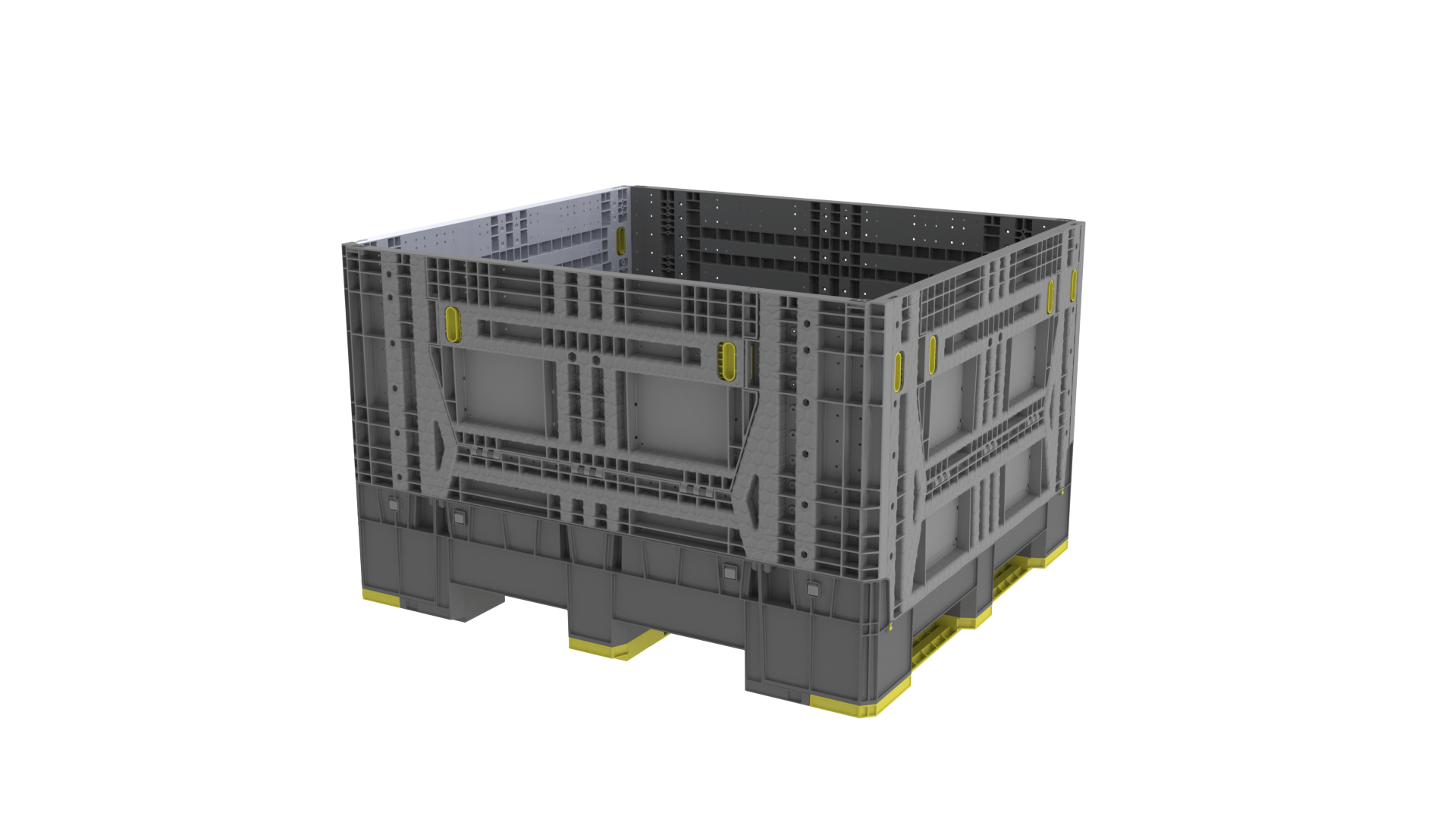
In the fast-paced automotive industry, supply chains are under constant pressure to deliver greater efficiency, cost savings, and sustainability. Adjustable returnable packaging plays a pivotal role in this process – yet it is often overlooked as an area for innovation.
The Tri-Wall Circular YOYOBin Adjustable, a foldable and adjustable returnable packaging solution, is redefining the way OEMs and Tier Suppliers manage their logistics. Its unique design delivers a compelling return on investment, while also supporting wider operational and environmental goals.
One Container, Multiple Configurations: A Smarter ROI
Traditionally, automotive manufacturers have had to invest in multiple containers, stillages, or steel racks to accommodate different part sizes and configurations. This approach ties up capital and complicates inventory management.
Our 1350, 1500 and 1670 sizes cube out the European mega trailer footprint, all with a 900kg capacity which is equal to a steel stillage. Therefore, the YOYOBin is a real game changer as it is a direct replacement for steel.
The YOYOBin Adjustable eliminates that challenge. By purchasing just one container with an adjustable footprint, you can adapt the bin to suit a variety of parts and components.
This modularity reduces the need for multiple packaging formats, maximising ROI and freeing up budget to be reinvested elsewhere in the supply chain.
A Cost-Effective Alternative to Steel
Steel containers have long been the industry standard for durability. However, they come with a high purchase price, heavier weight, and increased handling challenges.
The YOYOBin Adjustable provides a low-cost alternative to steel, without compromising on strength, resilience, or protection.
Manufactured from high-quality recyclable plastics, with a 900kg capacity it offers the durability required for rigorous automotive logistics while being lighter and more affordable to purchase and maintain.
Optimised Transport and Space Utilisation
Transport costs are a significant expense for OEMs and Tier Suppliers, and inefficient packaging is a key contributor to the problem.
The foldable design of the YOYOBin Adjustable allows for optimised stacking when both full and empty, ensuring more units can be transported per journey. This directly reduces the number of trips required, cutting fuel consumption and overall logistics costs.
For global supply chains where margins are under scrutiny, these efficiencies provide measurable long-term savings from the first trip to the last.
Protecting Parts and Reducing Damages
Quality is non-negotiable in automotive manufacturing. Damaged parts not only disrupt production schedules but also increase costs through replacements and delays.
The YOYOBin Adjustable can be fitted with customised dunnage systems to safeguard components. By minimising the risk of scratches, impacts, or contamination, it helps maintain part quality and reduces the hidden costs and time implications associated with product damage.
Driving Sustainability Goals
Sustainability is no longer optional – it is a key requirement for OEMs and their supply partners.
The YOYOBin Adjustable directly supports carbon reduction targets by lowering transport emissions through improved space efficiency and reduced journeys. Through our collaboration with the Global Logistics Emission Council Framework, we are able to accurately calculate the sustainability savings using their methods which are ISO 14085 approved.
Additionally, being fully recyclable, the bins align with circular economy principles, ensuring materials are reused rather than sent to landfill. By replacing steel and single-use packaging, OEMs and Tier Suppliers can demonstrate tangible progress toward their environmental commitments.
Handling Efficiencies at Line Side
Beyond transportation, the YOYOBin Adjustable is designed for ease of use on the factory floor. Its fold-down sides improve accessibility for operators, reducing handling time and ergonomic risks.
This translates into greater efficiency at line side, where every second saved contributes to smoother workflows and improved productivity.
The Tri-Wall Circular YOYOBin Adjustable is more than just a packaging solution – it’s a strategic investment for OEMs and Tier Suppliers.
By combining modularity, cost-effectiveness, transport optimisation, part protection, sustainability, and handling efficiencies, it represents a true game-changer for the automotive supply chain.
Tri-Wall Circular Wins Automotive Leaders Sustainability Award for YOYOBin Adjustable

Tri-Wall Circular has been recognised for its commitment to innovation and sustainability after winning the prestigious Automotive Leaders Sustainability Award 2025 for its revolutionary YOYOBin Adjustable container.
The award, presented at the Automotive Leaders – Exploring the Automotive Transition event in London, celebrates outstanding contributions to advancing sustainability in the automotive supply chain. Tri-Wall Circular’s YOYOBin Adjustable stood out for its ability to deliver a genuinely circular solution that tackles the need for lighter, returnable, and space-saving packaging in a sector undergoing rapid transformation.
Developed in close collaboration with leading OEMs and Tier 1 suppliers, the YOYOBin Adjustable is a modular returnable packaging system that can be resized to accommodate different component dimensions, reducing the number of packaging solutions, cutting return logistics costs, and significantly reducing waste.
Sanjiv Takyar, Business Head at Tri-Wall Circular, commented:
“We are incredibly proud to receive the Automotive Leaders Sustainability Award for YOYOBin Adjustable. This innovation is the result of real collaboration with automotive manufacturers, working together to design a packaging solution that contributes to achieving circular economy goals. YOYOBin Adjustable delivers measurable benefits for sustainability and supply chain efficiency – it’s lightweight, returnable, and adaptable, helping to reduce emissions and waste across the logistics network.”
The award highlights Tri-Wall Circular’s role at the forefront of packaging innovation for the automotive sector and reinforces the company’s commitment to helping the industry achieve its environmental and operational objectives.
With electrification, complexity, and sustainability reshaping automotive logistics, the YOYOBin Adjustable is setting a new benchmark for future-ready packaging solutions.