
The global fresh produce sector operates in a fast-paced, high-pressure environment where product quality, speed to market, and cost control are critical. However, traditional logistics models that are reliant on single-use cardboard and plastic packaging are increasingly being challenged by rising costs, environmental concerns, and tightening regulations.
Circular logistics offers a more sustainable and efficient alternative, delivering tangible benefits across environmental performance, operational efficiency, and product quality.
Reducing waste and environmental impact
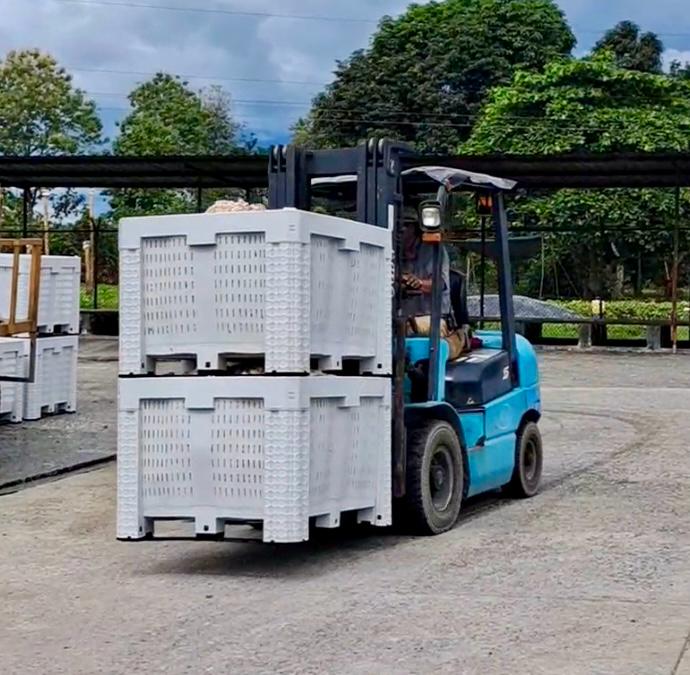
One of the most significant advantages of circular logistics is its ability to drastically reduce waste. Instead of being discarded after a single use, reusable containers, such as the YOYOBin Nestable, are designed to complete hundreds of journeys throughout their lifecycle. This extended lifespan significantly reduces the volume of packaging waste generated across the supply chain.
By moving away from single-use cardboard and disposable plastics, you can also lower emissions associated with the production, transportation, and disposal of these materials. The reduction in raw material demand contributes directly to a smaller carbon footprint.
In addition, circular logistics supports compliance with evolving environmental legislation and sustainability targets. With increasing pressure from governments and retailers to reduce packaging waste and improve environmental performance, adopting reusable systems enables businesses to align with these expectations while demonstrating a clear commitment to sustainability.
Supply chain efficiency and cost management
Beyond environmental benefits, circular logistics delivers measurable improvements in supply chain efficiency.
Reusable containers are typically designed to be both stackable and nestable, allowing growers and distributors to optimise truck utilisation. More product can be transported per journey, reducing the number of trips required and lowering overall transport costs.
These efficiencies extend beyond transport. When not in use, nestable containers significantly reduce storage requirements, whether in warehouses or cold storage facilities. This creates valuable space savings and improves overall operational flexibility.
Innovative solutions such as the YOYOBin Nestable are specifically designed to enhance supply chain performance. Their robust construction helps minimise product damage during transit, reducing waste and associated costs.
While reusable containers may involve a higher upfront investment, they deliver lower long-term logistics costs. Businesses benefit from eliminating the need to continually purchase disposable packaging, creating a more predictable and cost-effective supply chain over time.
Enhanced product protection and freshness
Fresh produce is highly sensitive to handling, temperature, and airflow, making packaging design a critical factor in maintaining quality. Circular logistics solutions are engineered with these challenges in mind.
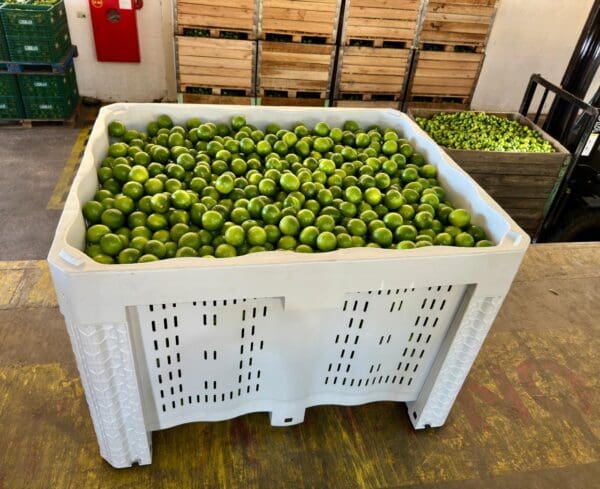
Ventilated container designs promote consistent airflow, aiding cooling processes and helping to preserve freshness throughout the supply chain. This is particularly important for temperature-sensitive products where maintaining optimal conditions is essential.
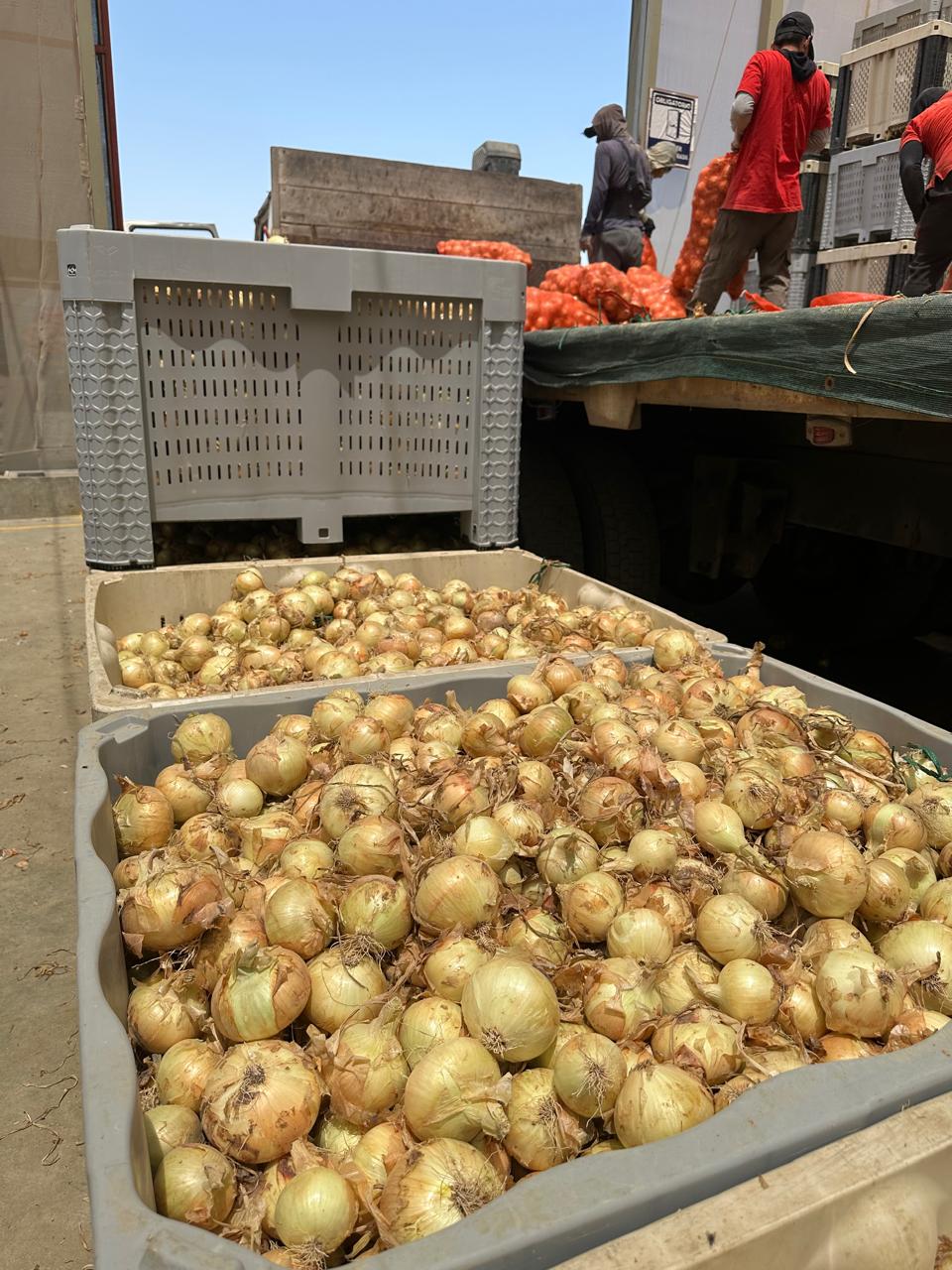
In addition, durable reusable containers are designed to prevent collapse when stacked, protecting produce from damage during storage and transport. This structural integrity ensures that products arrive in better condition, reducing spoilage and waste.
By maintaining product quality, businesses can extend shelf life, improve customer satisfaction, and reduce financial losses associated with damaged or unsellable goods.
A strategic advantage for the future
Circular logistics is more than a sustainability initiative – it is a strategic approach to building more efficient, resilient, and cost-effective supply chains.
For the fresh produce sector, the benefits are clear:
- Reduced environmental impact
- Improved operational efficiency
- Enhanced product protection
As the industry continues to evolve, adopting circular logistics will play a key role in meeting both commercial and environmental objectives, positioning businesses for long-term success.